Japan Demands UN Remove Charter Enemy State Clauses
Japan’s Leader Calls on U.N. to Drop ‘Enemy State’ Label
1. Introduction: Japan’s Diplomatic Push at the United Nations
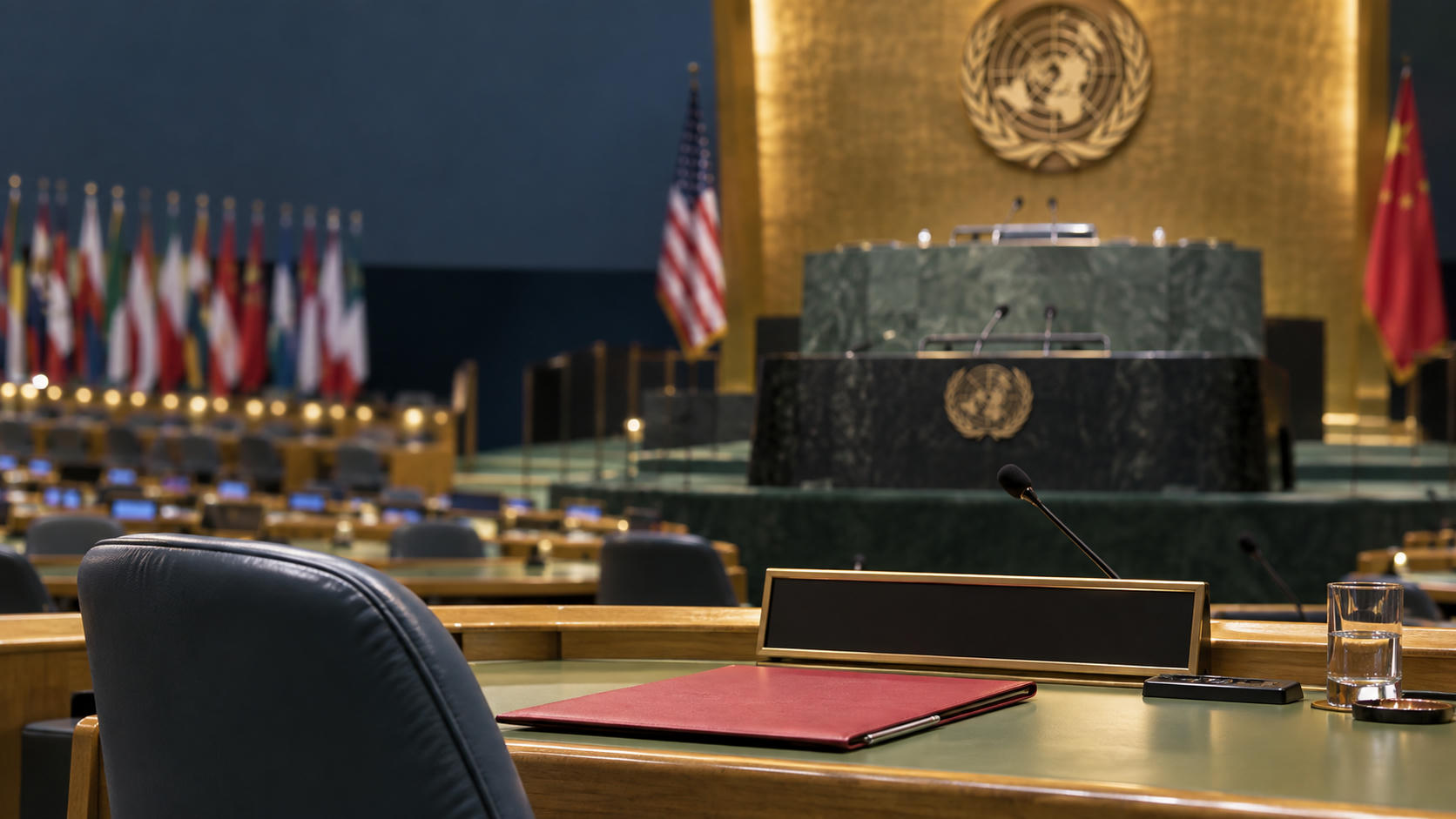
The Japanese Prime Minister used the United Nations General Assembly forum to demand the formal removal of “enemy state” references from the United Nations Charter. Drafted in 1945, these provisions explicitly target countries that fought against Allied forces during World War II.
Japan views the continuation of this phrasing as a legal and symbolic contradiction. Tokyo has established an eight-decade record of peaceful diplomacy, international development assistance, and multilateral cooperation. Modern global governance requires foundational legal texts to reflect contemporary geopolitical alignments rather than mid-twentieth-century wartime divisions. Japan is accelerating its diplomatic campaign to align the letter of international law with modern institutional realities.
2. Understanding the UN Charter’s “Enemy State” Clauses
       1945: Charter Adoption
 (Articles 53, 77, 107 target Axis states)
                 │
                 ▼
     1995: UNGA Resolution 50/52
  (Clauses recognized as "obsolete")
                 │
                 ▼
       2005: UN World Summit
 (Heads of State resolve to delete clauses)
                 │
                 ▼
    Present Day: Legal Stagnation
 (No Article 108 ratification initiated)
Historical Origins of Articles 53, 77, and 107
The United Nations Charter contains three specific provisions classifying Axis nations as “enemy states”:
- Article 53 (Regional Arrangements): Allows regional enforcement actions without prior authorization from the UN Security Council if directed against “any enemy state” from the Second World War.
- Article 77 (Trusteeship System): Details the application of the international trusteeship system to territories detached from “enemy states” as a result of World War II.
- Article 107 (Wartime Actions): Precludes the Charter from invalidating or prohibiting actions taken or authorized by Allied governments against enemy states during or directly after the conflict.
The drafters designed these articles to prevent renewed aggression by the defeated powers (Japan, Germany, Italy, and their allies) and to exempt early post-war Allied occupation policies from Security Council jurisdiction.
Current Legal Status vs. Practical Reality
The United Nations has repeatedly affirmed that the enemy state clauses are practically defunct.
In 1995, the UN General Assembly adopted Resolution 50/52, formally recognizing the clauses as “obsolete.” A decade later, the 2005 World Summit Outcome Document recorded a consensus among world leaders to resolve the issue by amending the Charter text.
| Year | Milestone | Institutional Action | Status |
|---|---|---|---|
| 1945 | UN Charter Adoption | Articles 53, 77, and 107 codified | Active legal text |
| 1995 | UNGA Resolution 50/52 | Enemy state clauses declared “obsolete” | Non-binding resolution |
| 2005 | UN World Summit | Heads of state commit to Charter text deletion | Political declaration |
| Present | Comprehensive Reform | Article 108 amendment process pending | Text unamended |
Despite these consensus statements, the text of the Charter remains unchanged. Removing the language requires formal ratification under Article 108 of the Charter, an operational step the international community has not yet executed.
3. Key Arguments Presented by Japan
Eight Decades of Multilateral Commitment and Peacekeeping
Japan’s diplomatic case centers on its unbroken post-war record of peaceful internationalism. Following World War II, Japan enacted its 1947 Constitution, featuring Article 9, which renounces war as a sovereign right and bars the use of force to settle international disputes.
Since joining the United Nations in 1956, Japan has participated actively in UN Peacekeeping Operations (PKO). Japanese personnel have served in missions in Cambodia (UNTAC), Mozambique (ONUMOZ), Timor-Leste (UNTAET/UNMISET), and South Sudan (UNMISS). These contributions demonstrate sustained compliance with the principles of the UN Charter.
       Japan's Multilateral Profile
 ┌──────────────────────────────────────┐
 │  Constitution: Article 9 Peace Policy │
 ├──────────────────────────────────────┤
 │  PKO: Cambodia, Timor, South Sudan   │
 ├──────────────────────────────────────┤
 │  Funding: Top-Tier Regular/PKO Payer │
 ├──────────────────────────────────────┤
 │  ODA: Global Development Leadership  │
 └──────────────────────────────────────┘
Substantial Financial Contributions to the United Nations
Japan’s financial contributions to the UN system contradict its formal designation as an enemy state. For several decades, Japan served as the second-largest contributor to the UN regular budget and peacekeeping assessments, surpassed only by the United States, and it remains one of the top financial contributors today.
Beyond assessed dues, Tokyo provides official development assistance (ODA) through voluntary funding to agencies including:
- United Nations Development Programme (UNDP)
- United Nations High Commissioner for Refugees (UNHCR)
- United Nations Children’s Fund (UNICEF)
- World Food Programme (WFP)
Japan argues that a state providing critical funding and diplomatic stability to the international system should not remain subject to punitive, war-era legal exemptions.
4. The Broader Agenda: UN Security Council Reform
Japan’s Bid for Permanent UNSC Membership
The campaign to remove the enemy state label connects directly to Japan’s push for structural reform of the UN Security Council (UNSC). Japan pursues permanent UNSC membership alongside its partners in the G4 nations (Japan, Germany, India, and Brazil).
          The G4 Diplomatic Coalition
     ┌───────────────────────────────────┐
     │  Japan    •  Germany              │
     │  India    •  Brazil               │
     └─────────────────┬─────────────────┘
                       │
       Advocating for Structural Reform:
  • Expansion of Permanent UNSC Seats
  • Expansion of Non-Permanent Membership
  • Formal Expungement of Outdated Clauses
The G4 states argue that the current UNSC structure reflects the global power distribution of 1945 rather than the modern world. Retaining the enemy state provisions provides a legal pretext for opponents to challenge the legitimacy of Japan and Germany serving as permanent members.
Overcoming Geopolitical and Procedural Roadblocks
Formal amendment of the UN Charter requires compliance with Article 108, which sets a strict threshold:
- A vote supported by a two-thirds majority of the members of the UN General Assembly.
- Formal ratification by two-thirds of UN member states through their domestic constitutional processes.
- Explicit ratification by all five permanent members of the Security Council (P5): the United States, the United Kingdom, France, China, and Russia.
               Article 108 Amendment Path
 ┌───────────────────────────────────────────────────────┐
 │ Step 1: 2/3 Majority Vote in UN General Assembly       │
 └──────────────────────────┬────────────────────────────┘
                            │
 ┌──────────────────────────▼────────────────────────────┐
 │ Step 2: Domestic Ratification by 2/3 of UN Members    │
 └──────────────────────────┬────────────────────────────┘
                            │
 ┌──────────────────────────▼────────────────────────────┐
 │ Step 3: Mandatory Ratification by All P5 Powers       │
 │         (US, UK, France, China, Russia)               │
 └───────────────────────────────────────────────────────┘
Regional dynamics complicate this process. China and Russia maintain historical grievances related to World War II and view Japanese UNSC ambitions with skepticism. Opening the UN Charter for selective amendment risks diplomatic friction or vetoes by P5 members reluctant to alter the balance of power.
5. Global Reactions and Diplomatic Impact
- United States and European Partners: The United States, the United Kingdom, and France have voiced support for Japan’s global leadership and its bid for a permanent UNSC seat. Western partners support amending the obsolete clauses as relics of a past era.
- Other Affected States: Germany and Italy share Japan’s position. Both support removing the text to prevent legal ambiguity, though Italy focuses its reform efforts on expanding non-permanent council seats via the “Uniting for Consensus” group.
- Strategic Next Steps for Tokyo: The Japanese Ministry of Foreign Affairs (MOFA) is prioritizing multilateral coalition-building. Tokyo pairs its demand for clause expungement with broader reform agendas, including funding equity, veto restraint, and enhanced transparency in Security Council decision-making.
6. Conclusion
Japan’s push to remove the “enemy state” label from the UN Charter addresses the divide between historical text and contemporary reality. Articles 53, 77, and 107 were designed to manage the immediate aftermath of World War II. Following eight decades of constitutional pacifism, international development leadership, and foundational funding, the operational premise for those articles has expired.
Amending the Charter requires navigating the demanding procedural barriers of Article 108 and securing consensus among the P5. Removing the obsolete enemy state classification remains an essential step toward modernizing the UN Charter and aligning institutional governance with twenty-first-century diplomacy.
Frequently Asked Questions (FAQ)
What are the “enemy state” clauses in the UN Charter?
Articles 53, 77, and 107 of the UN Charter identify states that fought against Allied powers during World War II, permitting regional enforcement actions against them without direct Security Council authorization.
Why hasn’t the UN removed the “enemy state” clauses yet?
Amending the Charter requires a two-thirds General Assembly vote and domestic ratification by two-thirds of all member states, including every P5 member (US, UK, France, China, Russia). Geopolitical friction and P5 veto dynamics have delayed this process.
Has the UN formally acknowledged that these clauses are obsolete?
Yes. The UN General Assembly declared the clauses obsolete in 1995 under Resolution 50/52, and the 2005 World Summit Outcome Document resolved to delete them. Formal ratification to amend the physical Charter text has not yet taken place.
Which other countries are affected by these clauses?
The clauses originally applied to the Axis powers of World War II, including Germany, Italy, Japan, Romania, Bulgaria, and Hungary.
How does this issue relate to Japan’s bid for a permanent UN Security Council seat?
Japan argues that retaining enemy state language undermines its standing as a major contributor to international security and development, weakening institutional coherence while it pursues a permanent UNSC seat alongside G4 partners.