Trump UNGA Speech: Sovereignty and Foreign Policy
Donald Trump Addresses the United Nations General Assembly: Boasts, Threats, and the Sovereignty Doctrine
I. Introduction and Key Takeaways
A. The Core Message of the Address
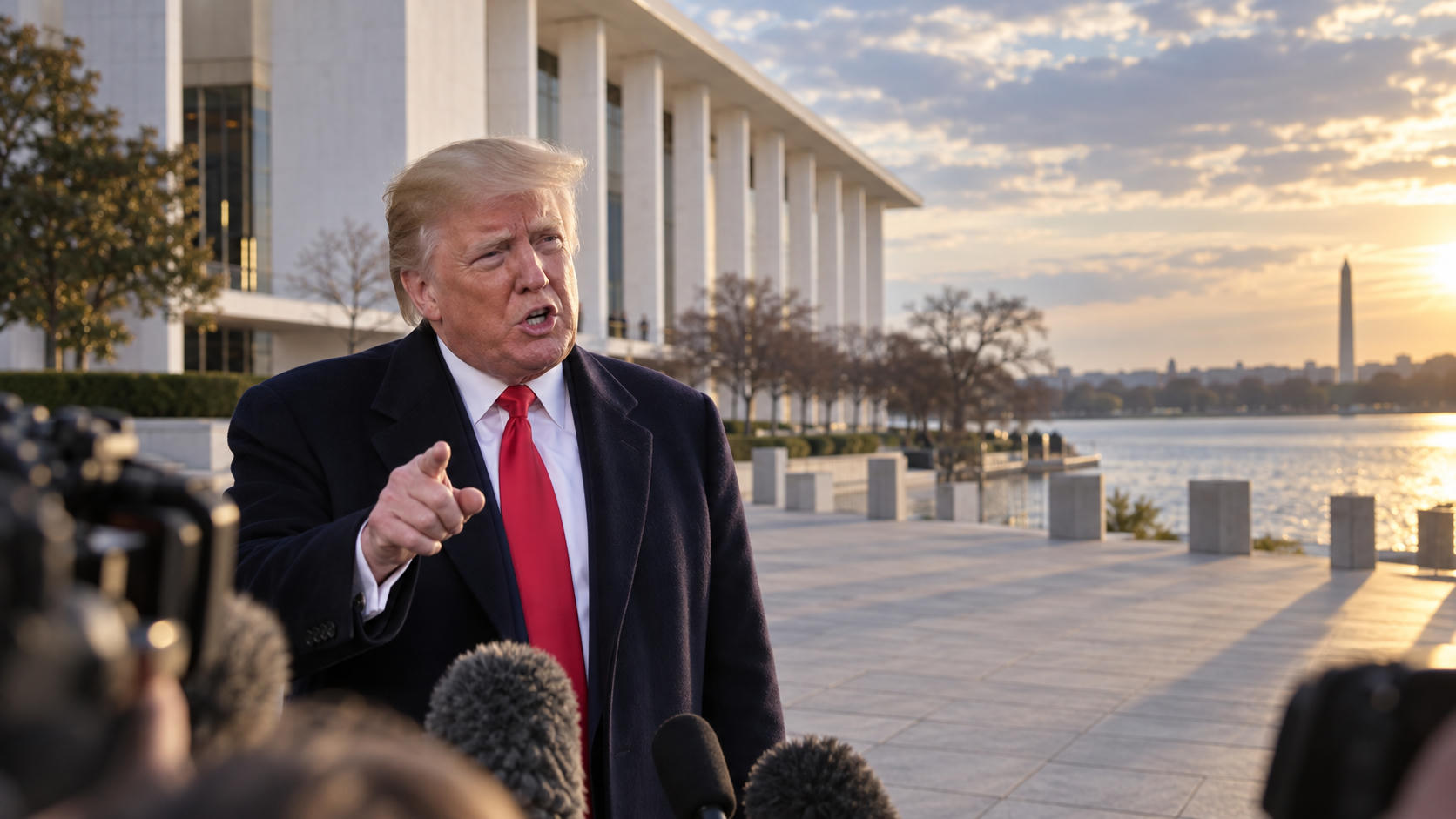
Donald Trump used his address before the United Nations General Assembly to deliver a direct defense of national sovereignty and the “America First” foreign policy doctrine. The speech rejected orthodox multilateralism in favor of independent nation-states acting strictly in their own strategic self-interest.
The rhetoric combined domestic economic claims, strategic warnings to adversarial states, and critiques of international institutions. Trump asserted that international governance models undermine democratic accountability, arguing that globalist policies had compromised American industry, defense, and border security.
+-----------------------------------------------------------------------+
|                     CORE THEMES OF THE ADDRESS                        |
+-----------------------------------+-----------------------------------+
| Principle                         | Strategic Application             |
+-----------------------------------+-----------------------------------+
| Sovereign Independence            | Rejection of transnational bodies |
| Bilateral Trade Reciprocity       | Unilateral tariffs on partners    |
| Maximum Pressure Diplomacy        | Targeted sanctions (Iran/Venezuela)|
| Domestic Economic Revival         | Prioritizing US labor and capital |
+-----------------------------------+-----------------------------------+
B. Immediate Diplomatic Environment
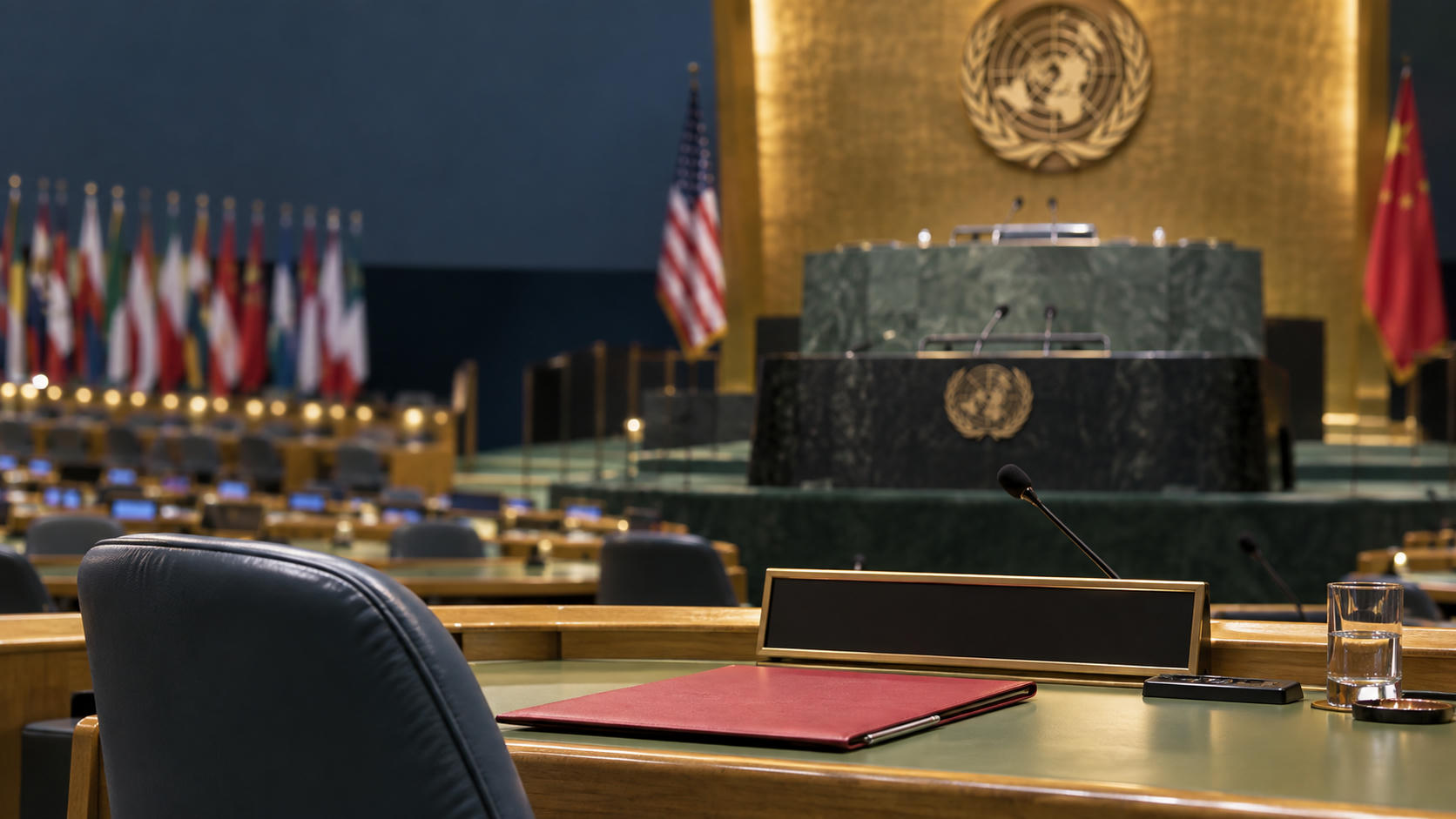
The address occurred in the United Nations General Assembly hall in New York City before international delegates, diplomats, and heads of state. The venue is traditionally oriented toward diplomatic consensus, multilateral accords, and collective security agreements.
Trump delivered his remarks to an audience composed largely of advocates for international treaties such as the Paris Climate Accord, the Joint Comprehensive Plan of Action (JCPOA), and the International Criminal Court. This dynamic produced an immediate contrast between the United States administration’s positions and the expectations of the assembly.
II. Domestic Triumphs and Economic Claims
A. Economic Growth and Job Creation
Trump dedicated the opening segment of the speech to domestic accomplishments, emphasizing job creation, deregulation, and gross domestic product metrics.
- Economic Metrics Cited:
- Historic lows in US unemployment across multiple demographic segments.
- Expansion of the domestic manufacturing base following tax overhauls.
- Record valuation highs across major US equity markets.
The speech drew explicit comparisons between current administrative performance and prior US administrations. Trump claimed his administration had accomplished more in less than two years than almost any other administration in American history. This assertion drew immediate, audible murmurs and laughter from delegates across the hall, prompting Trump to acknowledge the reaction before continuing with his prepared remarks.
B. Military Spending and National Defense
The address placed strong emphasis on the modernization of the United States Armed Forces. Trump highlighted historic defense budget increases, framing military expenditure as an instrument of peace through deterrence.
- Defense allocations exceeded $700 billion, funding modern hardware acquisitions and advanced defense systems.
- Modernization efforts targeted nuclear deterrence capabilities, hypersonic weaponry, and missile defense shields.
- Trump reiterated demands for North Atlantic Treaty Organization (NATO) member states to meet their agreed-upon defense spending target of 2% of GDP, warning that the United States would no longer absorb disproportionate defense burdens for wealthy allies.
III. National Sovereignty versus Globalism
          [ Multilateral Institutions ]
                       |
         (Transnational Rules & Pacts)
                       |
                       v
         [ EROSION OF BORDER CONTROL ]
                       |
   +-------------------+-------------------+
   |                                       |
   v                                       v
[ Unbalanced Trade Deficits ]    [ Restricted National Policy ]
   |                                       |
   +-------------------+-------------------+
                       |
                       v
    [ U.S. SOVEREIGNTY COUNTER-MEASURE ]
     - Rejection of Global Pacts
     - Unilateral Tariffs
     - Controlled Borders
A. Rejection of Global Governance
Trump issued a systematic rejection of global governance, arguing that transnational bodies dilute the sovereign rights of individual nations.
- The International Criminal Court (ICC): The speech rejected the jurisdiction of the ICC over American citizens, citing a lack of constitutional accountability and a threat to national sovereignty.
- Global Compact on Migration: Trump confirmed the United States would not participate in UN migration frameworks, asserting that sovereign governments retain the exclusive right to establish border controls, determine immigration quotas, and enforce immigration laws.
- Multilateral Treaties: The administration underscored its intent to exit or renegotiate agreements deemed detrimental to US strategic or economic interests.
B. Trade Policy and Tariff Disputes
The address criticized multilateral trade architectures, with particular focus on the World Trade Organization (WTO). Trump argued that the global trading system had allowed foreign competitors to exploit market access while engaging in state-subsidized production, intellectual property theft, and currency manipulation.
- Targeting China: Trump directly denounced China’s market-distorting trade policies, intellectual property violations, and forced technology transfers. He defended the implementation of Section 301 tariffs on hundreds of billions of dollars worth of Chinese imports.
- Allied Trade Deficits: The speech issued warnings to traditional allies in Europe and North America, stating that bilateral trade deficits would be addressed through aggressive renegotiations, including updates to NAFTA and the US-Korea Free Trade Agreement (KORUS).
IV. Foreign Policy Targets: Direct Threats and Warnings
A. Countering Iran and the Middle East Strategy
Trump delivered sharp condemnations of the Iranian government, characterizing the regime as a leading state sponsor of terrorism that fuels instability across the Middle East.
- Exit from the JCPOA: Trump defended the US withdrawal from the 2015 Iran Nuclear Deal, labeling it a flawed agreement that failed to address ballistic missile development or regional proxy warfare.
- Sanctions Snapback: The administration announced the full reimposition of nuclear-related sanctions against Tehran, threatening secondary sanctions against foreign companies continuing commercial operations with Iranian energy and financial sectors.
- Regional Alliances: Trump outlined support for Gulf Cooperation Council states and Israel to construct a unified counterweight against Iranian regional influence.
B. Strategic Posture on North Korea and East Asia
The address offered an evolving perspective on the Democratic People’s Republic of Korea (DPRK). Moving away from prior threats of complete destruction, Trump highlighted the diplomatic engagements with Chairman Kim Jong Un.
       [ Diplomatic Outreach ]
                  |
    (Singapore Summit Engagement)
                  |
    +-------------+-------------+
    |                           |
    v                           v
[ Optimistic Diplomacy ]    [ Strict Sanction Regime ]
 - Direct bilateral talks    - Continued economic isolation
 - Halt to missile tests     - Verification before relief
While praising the bilateral dialogue initiated at the Singapore Summit, Trump maintained that international sanctions would remain strictly enforced until complete, verifiable, and irreversible denuclearization (CVID) was achieved.
C. Rhetoric on Venezuela and Regional Instability
The speech targeted the socioeconomic collapse of Venezuela under Nicolás Maduro, presenting it as an indictment of socialist economic policy.
- Trump linked the humanitarian crisis and mass migration in South America directly to state intervention, corruption, and political repression.
- The administration outlined expanded targeted sanctions against Venezuelan state assets, key officials, and government-controlled entities.
- Trump called upon regional democratic partners to isolate the Maduro regime diplomatically and provide humanitarian relief to displaced populations.
V. Audience Reactions and International Response
A. Room Reactions and Notable Incidents
The dynamic inside the UN General Assembly hall was defined by sharp breaks from typical diplomatic decorum.
- The Opening Laughter: When Trump declared that his administration had accomplished more than almost any other in US history, spontaneous laughter broke out across the chamber. Trump broke from the script, smiling and stating, “Didn’t expect that reaction, but that’s okay,” before resuming his speech.
- Stony Silence: Long stretches of silence followed during the condemnations of Germany’s reliance on Russian energy, the ICC, and global migration pacts. German delegates in attendance were seen reacting with visible skepticism to the remarks regarding energy security.
B. Reactions from Global Leaders and Allies
The responses from international leaders exposed deep ideological divisions within the assembly.
- European Allies: French President Emmanuel Macron delivered a counter-speech shortly afterward, defending multilateralism, collective climate initiatives, and international trade bodies as essential mechanisms to prevent global conflict.
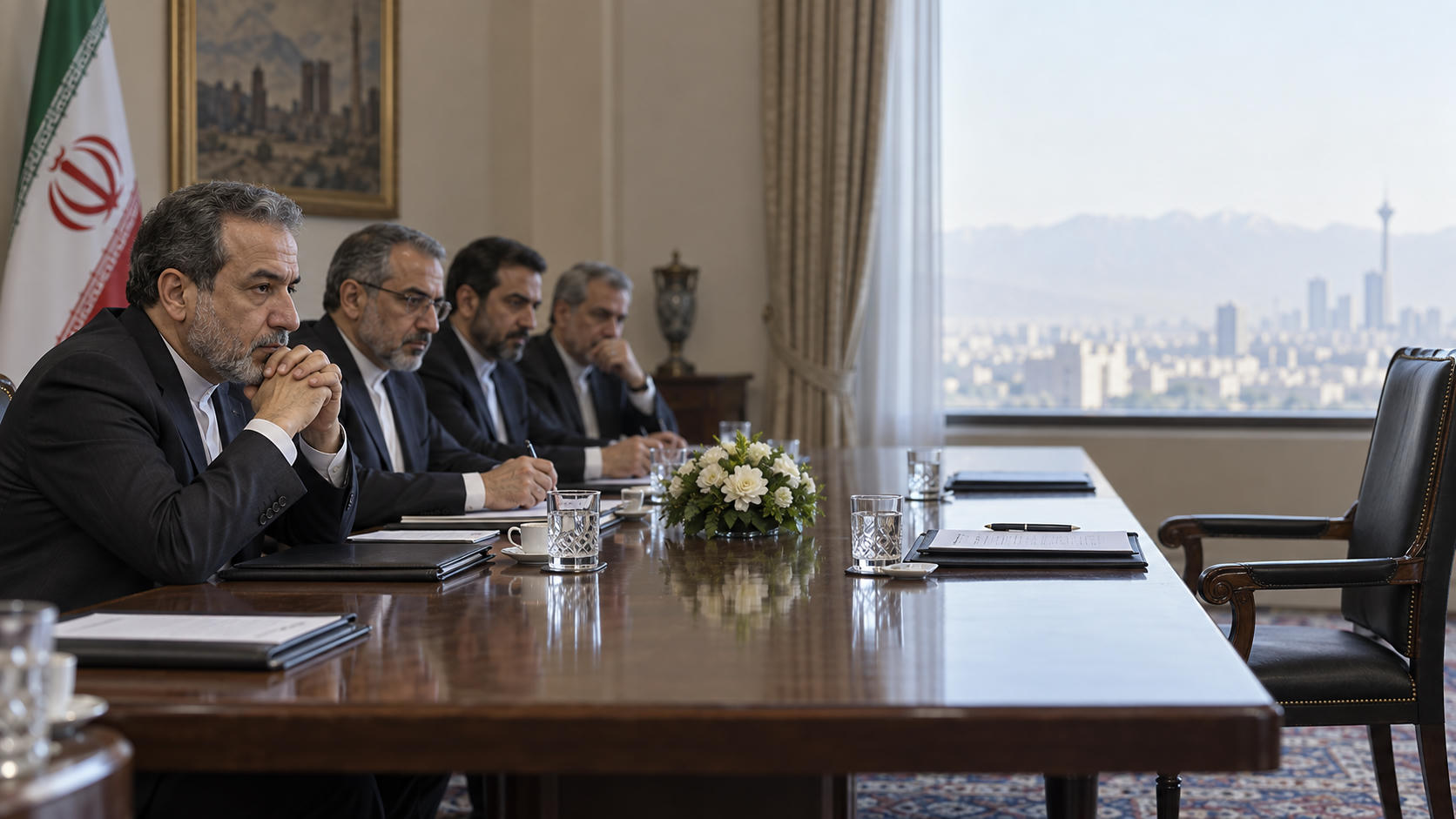
- Iran: Iranian leadership denounced the US address as political posturing, accusing Washington of violating international law by unilaterally abrogating the JCPOA and imposing economic coercion.
- China: Chinese representatives rejected accusations of trade distortion, maintaining their commitment to WTO dispute mechanisms while defending their state-led development model.
VI. Strategic Analysis and Long-Term Implications
+-----------------------------------------------------------------------+
|                    SHIFT IN U.S. FOREIGN POLICY                       |
+-----------------------------------+-----------------------------------+
| Traditional Consensus            | Sovereignty Doctrine              |
+-----------------------------------+-----------------------------------+
| Multilateral agreements (JCPOA)   | Bilateral negotiation / Exits     |
| Unconditional trade compliance    | Section 301 tariffs & leverage    |
| Collective migration frameworks   | Strict border enforcement         |
| Subsidized allied defense systems | Mandatory cost-sharing demands    |
+-----------------------------------+-----------------------------------+
A. Impact on the Future of the United Nations
The address marked a defined pivot in US-UN relations. By questioning the legitimacy and efficiency of transnational bodies, the US signaled a broader retreat from global administrative oversight.
- Funding Reductions: The administration enacted systematic reductions in US contributions to specific UN agencies, including UNESCO and the United Nations Relief and Works Agency (UNRWA).
- Shifting Power Dynamics: The US withdrawal from key international forums created strategic opportunities for competitors like China to expand their influence within UN leadership structures, international standard-setting bodies, and peacekeeping missions.
- Erosion of Consensus: The explicit prioritization of bilateral deal-making reduced reliance on multilateral consensus-building, fragmenting international approaches to climate regulation, non-proliferation, and global trade.
B. Domestic Political Repercussions
The speech functioned both as a diplomatic statement and a message to domestic political constituencies ahead of US midterm elections.
- Voter Base Consolidation: The speech reinforced key campaign promises regarding protectionist trade, border enforcement, and reduced foreign entanglements, solidifying support among working-class and conservative voters.
- Opposition Critique: Political opponents and foreign policy analysts argued that insulting allies, abandoning multilateral treaties, and drawing laughter from world leaders diminished American soft power and international standing.
- Electoral Framing: The address provided a foreign policy template, framing domestic political battles as a fundamental conflict between sovereign American interests and out-of-touch globalist institutions.
VII. Frequently Asked Questions (FAQ)
What was the central theme of Donald Trump’s address to the UN?
The central theme was the primacy of national sovereignty over global governance, framed through the “America First” foreign policy doctrine. Trump argued that sovereign nation-states, rather than transnational institutions, are best equipped to preserve freedom, security, and economic prosperity.
How did the audience at the UN General Assembly react to the speech?
The assembly reacted with visible and audible skepticism. The most notable moment occurred during the opening remarks, where delegates laughed audibly at Trump’s claim of historic administrative success. The remainder of the speech was met with strict silence, particularly during attacks on international pacts, Iran, and allied energy choices.
Which countries were directly criticized during the address?
The speech primarily targeted Iran, Venezuela, and China. Iran was condemned for regional destabilization and its nuclear ambitions, Venezuela for socialist governance and human rights violations, and China for non-market economic policies and intellectual property theft. Germany was also criticized for its pipeline projects with Russia.
How did the address impact US relationships with international bodies?
The address accelerated the US departure from multilateral treaties and international bodies. It formalized the US rejection of the International Criminal Court, confirmed the exit from the UN Human Rights Council and UNESCO, and ended US participation in international migration agreements.
What did the address state regarding international trade?
Trump declared that the global trading system was structurally unbalanced. He defended the unilateral application of tariffs against competitors like China and demanded the comprehensive renegotiation of international trade accords to eliminate bilateral trade deficits and protect American manufacturing.